
Production olive trees are the cornerstone of any olive farm. The profitability of an olive grove depends largely on...
Latest posts
-
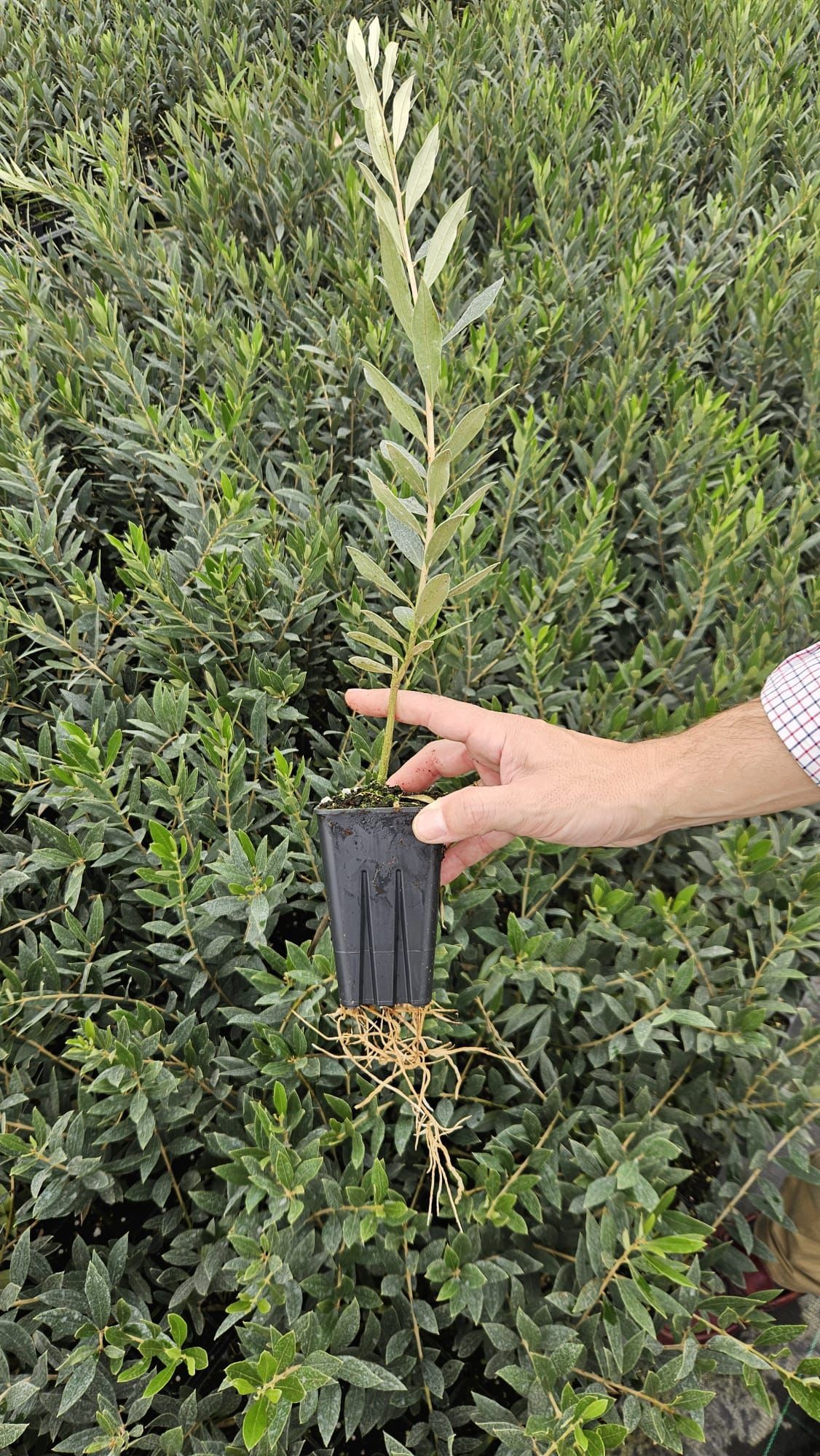 Production olive trees: the foundation of a profitable agricultural plantationRead more
 -
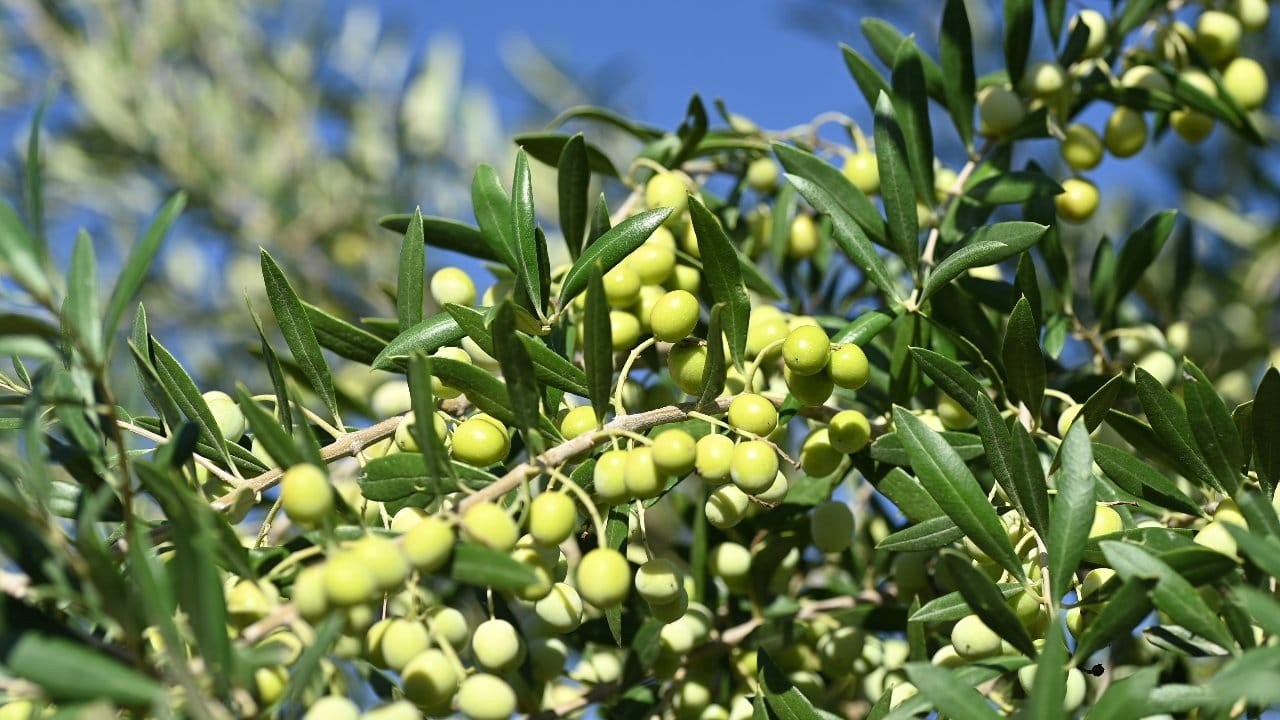 Olive tree care throughout the year: watering, pruning and fertilisingRead more
The olive tree is known for being a hardy and long-lived tree, capable of adapting to adverse conditions.
-
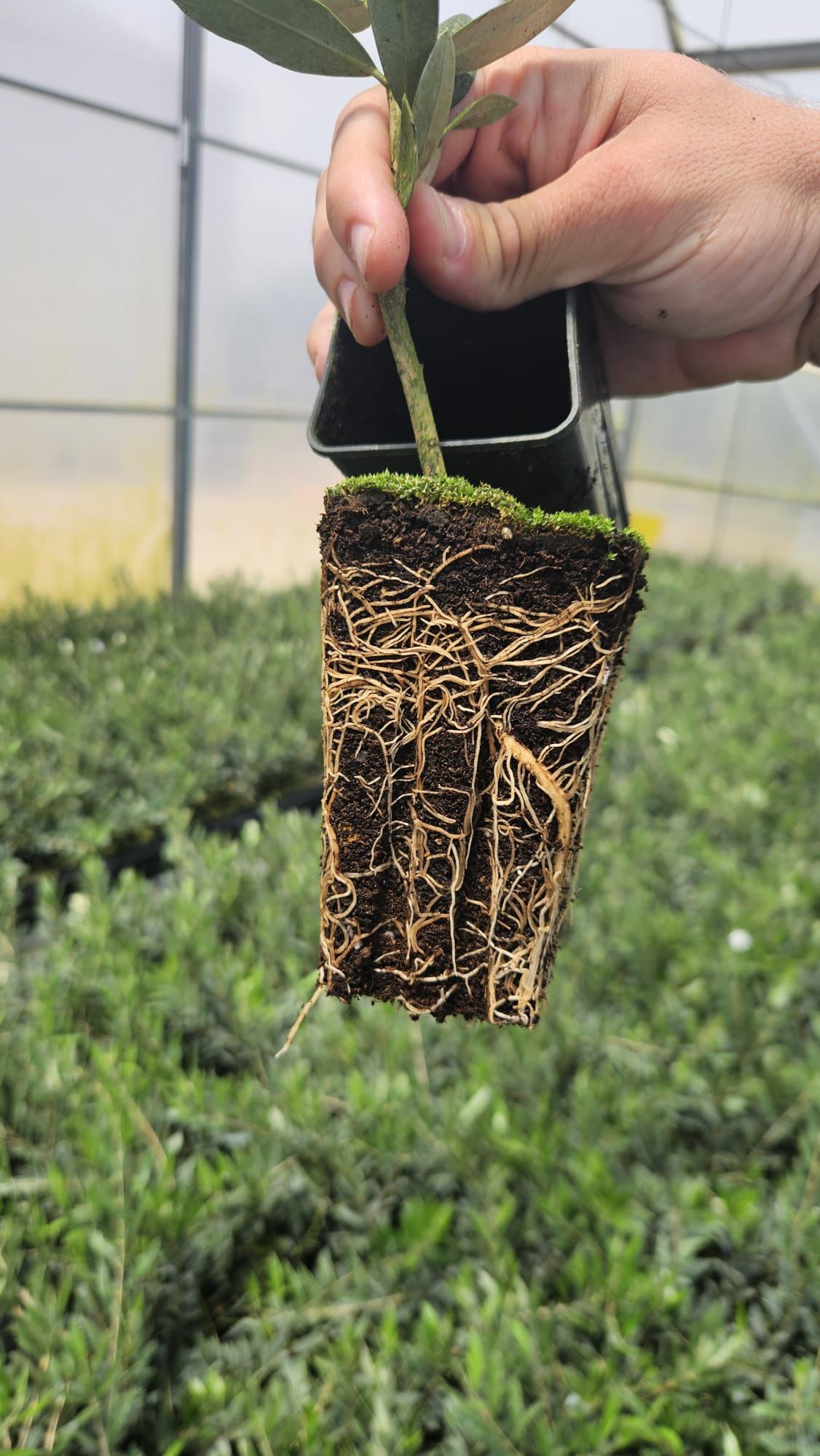 How to plant an olive tree step by step and ensure its growthRead more
Planting an olive tree is a simple process, but doing it correctly from the outset is essential to ensure its...
-
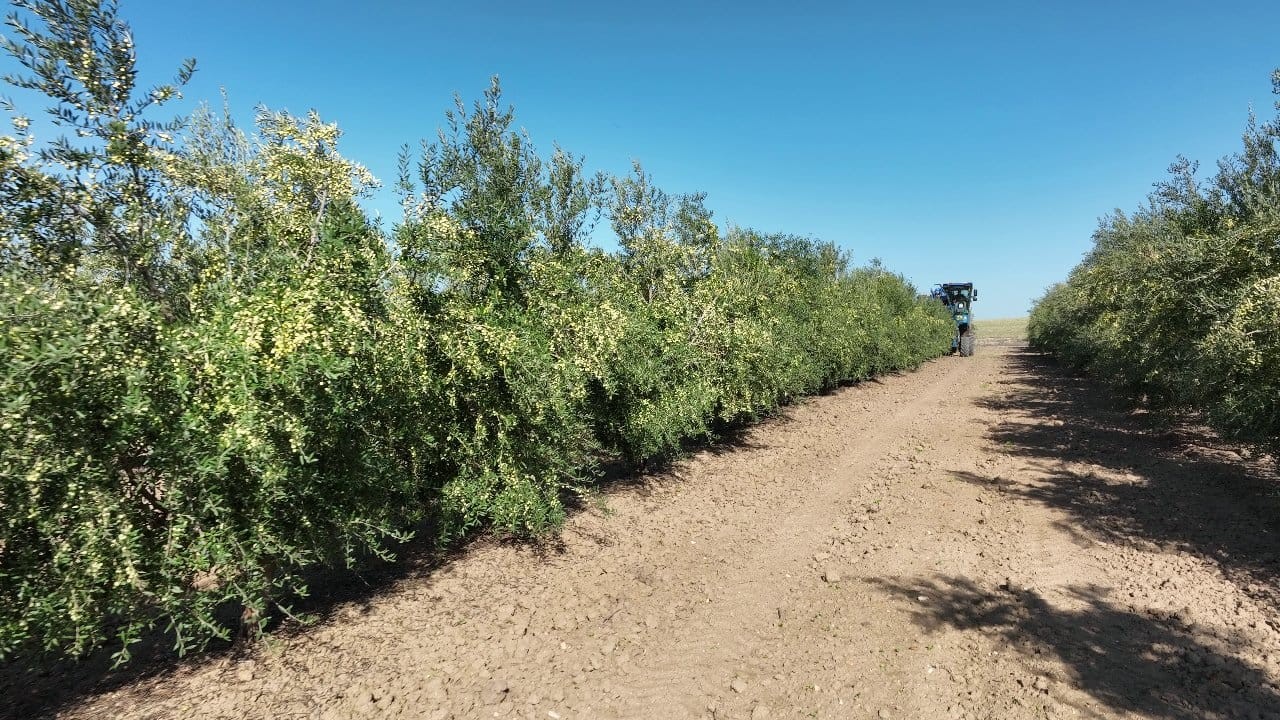 Types of olive trees: best-selling varieties and their characteristicsRead more
The olive tree is one of the most emblematic trees of the Mediterranean landscape and one of the most sought-after...
-
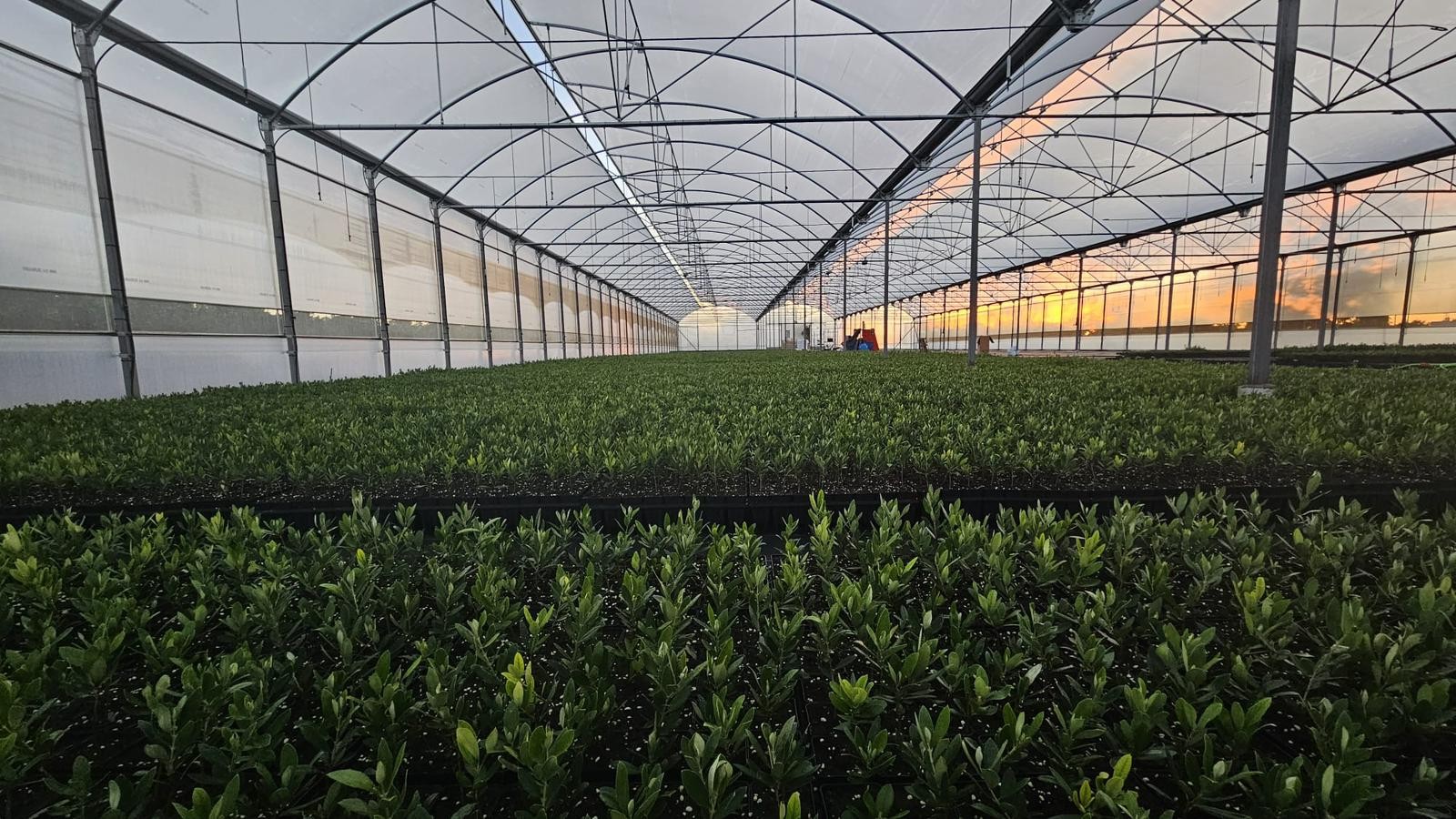 Selling olive trees: a comprehensive guide to buying with guarantee and qualityRead more
The sale of olive trees has grown significantly in recent years, both for ornamental use and for agricultural...
Blog categories
Search in blog
Archived posts
Types of olive trees: best-selling varieties and their characteristics
The olive tree is one of the most iconic trees of the Mediterranean landscape and one of the most in-demand for both agricultural and ornamental projects. However, not all olive trees are the same. There are numerous varieties, each with its own characteristics in terms of growth, aesthetics, resistance, and production. Knowing the best-selling types of olive trees and understanding their differences is key to choosing the right tree based on its intended use.
In this article, we analyze the most in-demand olive tree varieties in nurseries and specialized stores, explaining their main characteristics and in which cases it is advisable to choose each one.
The importance of choosing the right olive tree variety
Choosing the correct olive tree variety directly influences its development, maintenance, and final result. A well-chosen olive tree adapts better to its environment, requires less care, and offers greater durability.
An olive tree intended to decorate a garden is not the same as one designed for olive production or a landscaping project. Factors such as final size, canopy shape, climate resistance, or growth rate vary considerably between varieties.
For this reason, knowing the most common options helps avoid common mistakes and ensures a successful purchase.
Picual olive tree: resistance and productivity
The Picual olive tree is one of the most widely cultivated and sold varieties in Spain. Its popularity is mainly due to its great resistance and high yield.
It is characterized by a strong trunk, a vigorous canopy, and excellent adaptation to demanding climatic conditions. It can withstand both high temperatures and prolonged periods of drought, making it an ideal option for agricultural estates and large areas of land.
From an ornamental point of view, Picual offers a solid and robust presence, although its main value remains productive. It is a highly recommended variety for those seeking a functional, resistant, and long-lived olive tree.
Arbequina olive tree: compact and decorative
The Arbequina olive tree is one of the most sought-after varieties in ornamental gardening. Its smaller size and controlled growth make it perfect for private gardens, patios, and large terraces.
It features a compact canopy, fine leaves, and a very balanced aesthetic. In addition, it is a variety that enters production early, making it also interesting for small orchards or family farms.
Another of its great advantages is its excellent adaptation to pot cultivation, provided the container is of adequate size and has good drainage. For all these reasons, Arbequina is one of the preferred options when looking for a decorative and easy-to-maintain olive tree.
Hojiblanca olive tree: balance between aesthetics and production
The Hojiblanca olive tree stands out for its versatility. It is a variety that combines ornamental and productive use very well, offering a perfect balance between aesthetics and functionality.
Its canopy is wide and harmonious, with leaves of a characteristic tone that provide great visual value. It adapts well to different soil types and climates, although it prefers sunny, well-drained areas.
It is a very common option in large gardens, mixed-use estates, and landscaping projects where an attractive, resistant olive tree with good production capacity is desired.
Manzanilla olive tree: tradition and elegance
The Manzanilla variety is well known for its table olives, but it also has great ornamental value. Its elegant form and well-defined canopy make it an interesting option for gardens and estates.
It adapts better to temperate climates and requires slightly more attention in terms of irrigation and soil, but in return offers a carefully maintained aesthetic and a valued production.
It is an ideal variety for those looking for an olive tree with history, tradition, and a classic appearance within the Mediterranean landscape.
Centenary olive trees: unique pieces with great ornamental value
Beyond the variety, centenary olive trees stand out for their age, shape, and symbolic value. These are trees that have grown for decades or even centuries, developing twisted, sculptural, and completely unique trunks.
These olive trees are mainly used for ornamental and landscaping purposes. They are common in high-end gardens, hotels, wineries, exclusive estates, or monumental entrances.
Although their price is higher, their visual impact is immediate and their maintenance is usually low, as they are extremely resistant trees well adapted to their environment.
Key differences between ornamental and productive varieties
When choosing between an ornamental or productive olive tree, it is important to be clear about some differences:
- Ornamental olive trees: priority is given to trunk shape, canopy, and visual impact.
- Productive olive trees: variety, yield, and resistance are valued.
- Mixed olive trees: combine aesthetics and functionality.
The choice will depend on the main objective and the available space.
Which olive tree variety to choose according to your space?
For small gardens or terraces, compact varieties such as Arbequina are ideal. In large gardens, Hojiblanca or Picual offer greater presence. For unique projects, centenary olive trees are the best option.
Professional advice helps choose the most suitable variety according to the environment and expectations.
Final tips for choosing the right type of olive tree
Before buying an olive tree, it is advisable to:
- Define the main use of the tree
- Analyze the space and climate
- Choose a specialized nursery
- Request detailed information about the variety
A good choice guarantees a healthy, long-lasting olive tree perfectly integrated into its surroundings.
Browse our selection of olive trees by variety and find the one that best suits your garden or estate.
Posted in:
News
Related posts
-
Selling olive trees: a comprehensive guide to buying with guarantee and quality
The sale of olive trees has grown significantly in recent years, both for ornamental use and for agricultural...Read more
-
How to plant an olive tree step by step and ensure its growth
Planting an olive tree is a simple process, but doing it correctly from the outset is essential to ensure its...Read more
-
Olive tree care throughout the year: watering, pruning and fertilising
The olive tree is known for being a hardy and long-lived tree, capable of adapting to adverse conditions.Read more
-
Production olive trees: the foundation of a profitable agricultural plantation
Production olive trees are the cornerstone of any olive farm. The profitability of an olive grove depends largely on...Read more
Leave a comment