
Production olive trees are the cornerstone of any olive farm. The profitability of an olive grove depends largely on...
Latest posts
-
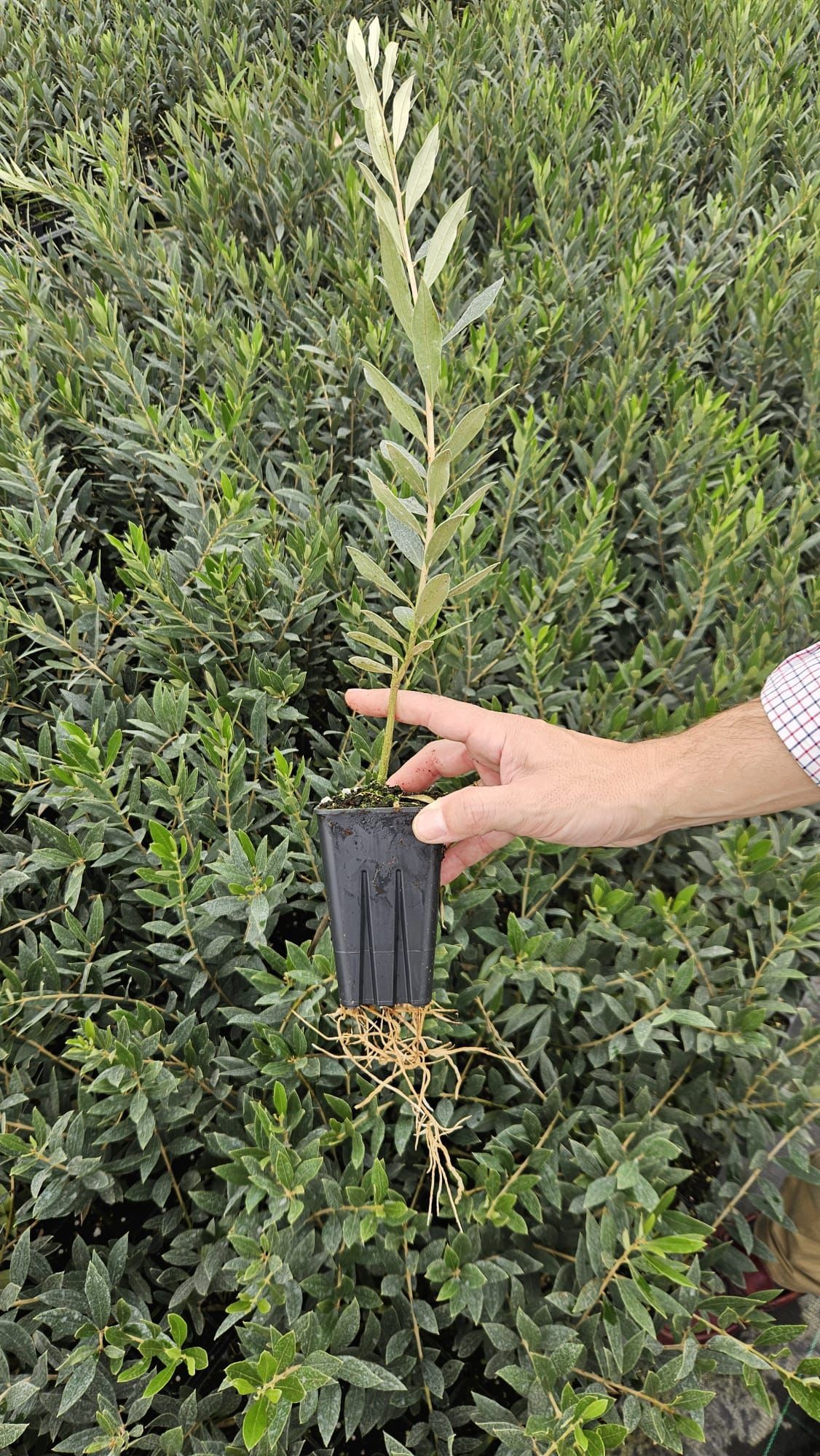 Production olive trees: the foundation of a profitable agricultural plantationRead more
 -
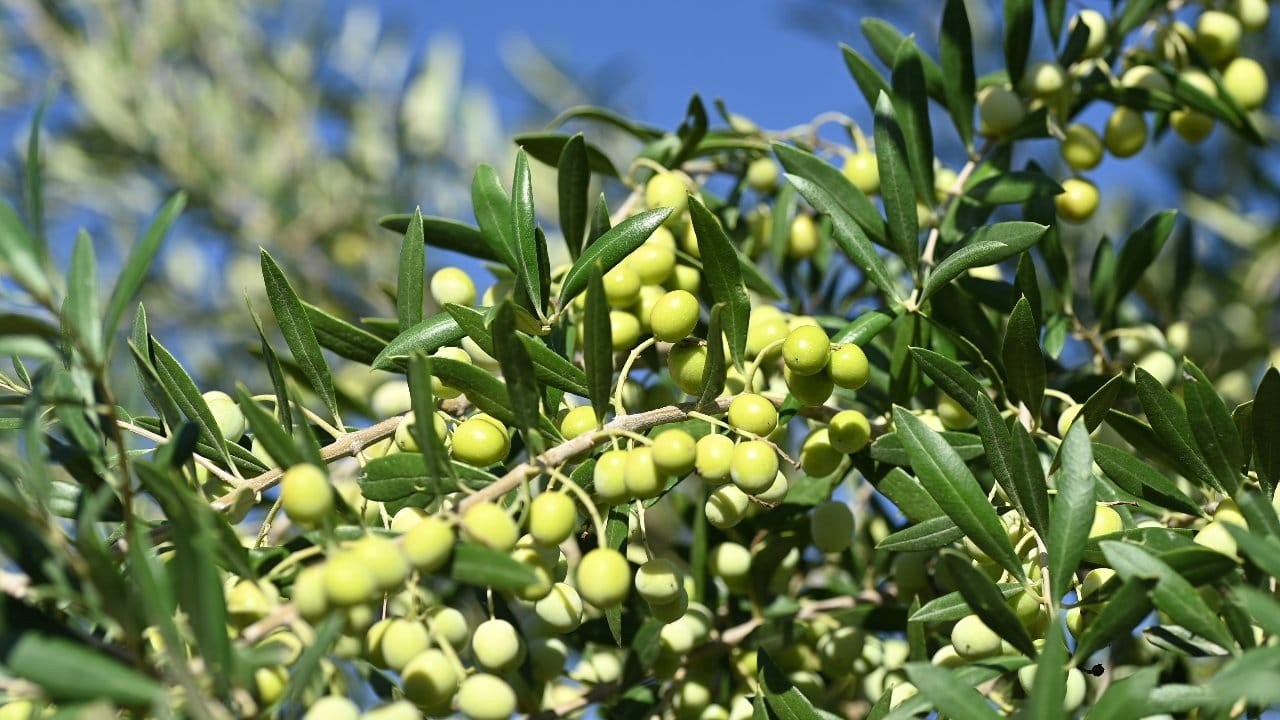 Olive tree care throughout the year: watering, pruning and fertilisingRead more
The olive tree is known for being a hardy and long-lived tree, capable of adapting to adverse conditions.
-
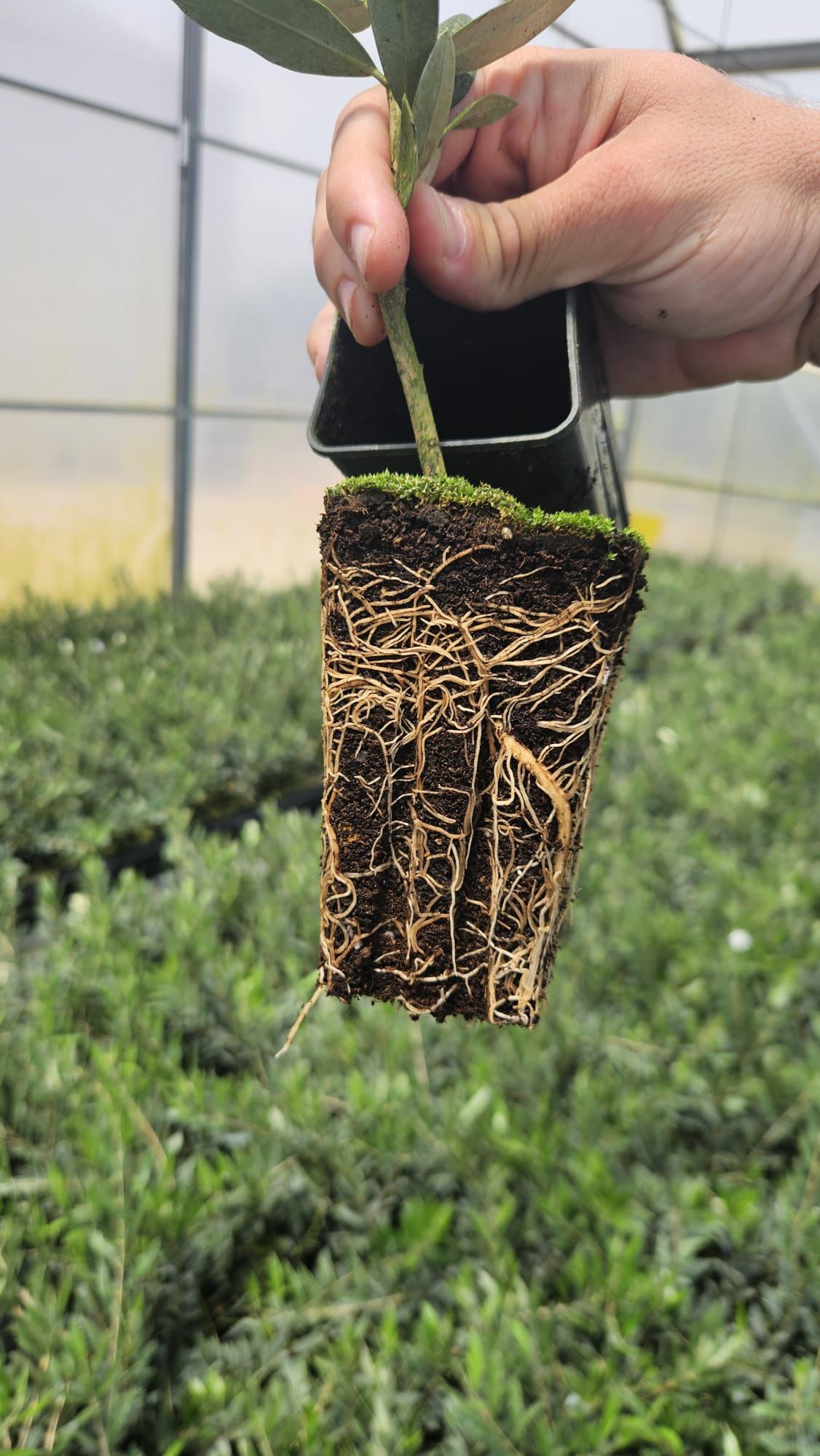 How to plant an olive tree step by step and ensure its growthRead more
Planting an olive tree is a simple process, but doing it correctly from the outset is essential to ensure its...
-
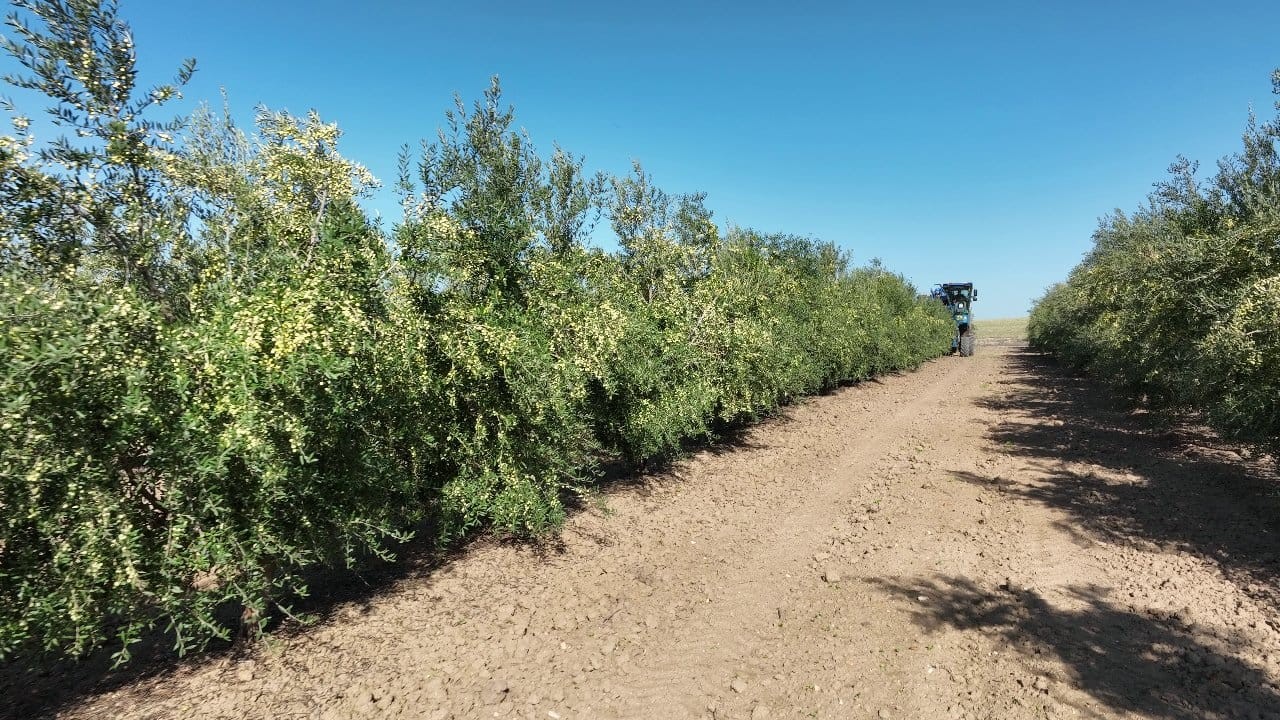 Types of olive trees: best-selling varieties and their characteristicsRead more
The olive tree is one of the most emblematic trees of the Mediterranean landscape and one of the most sought-after...
-
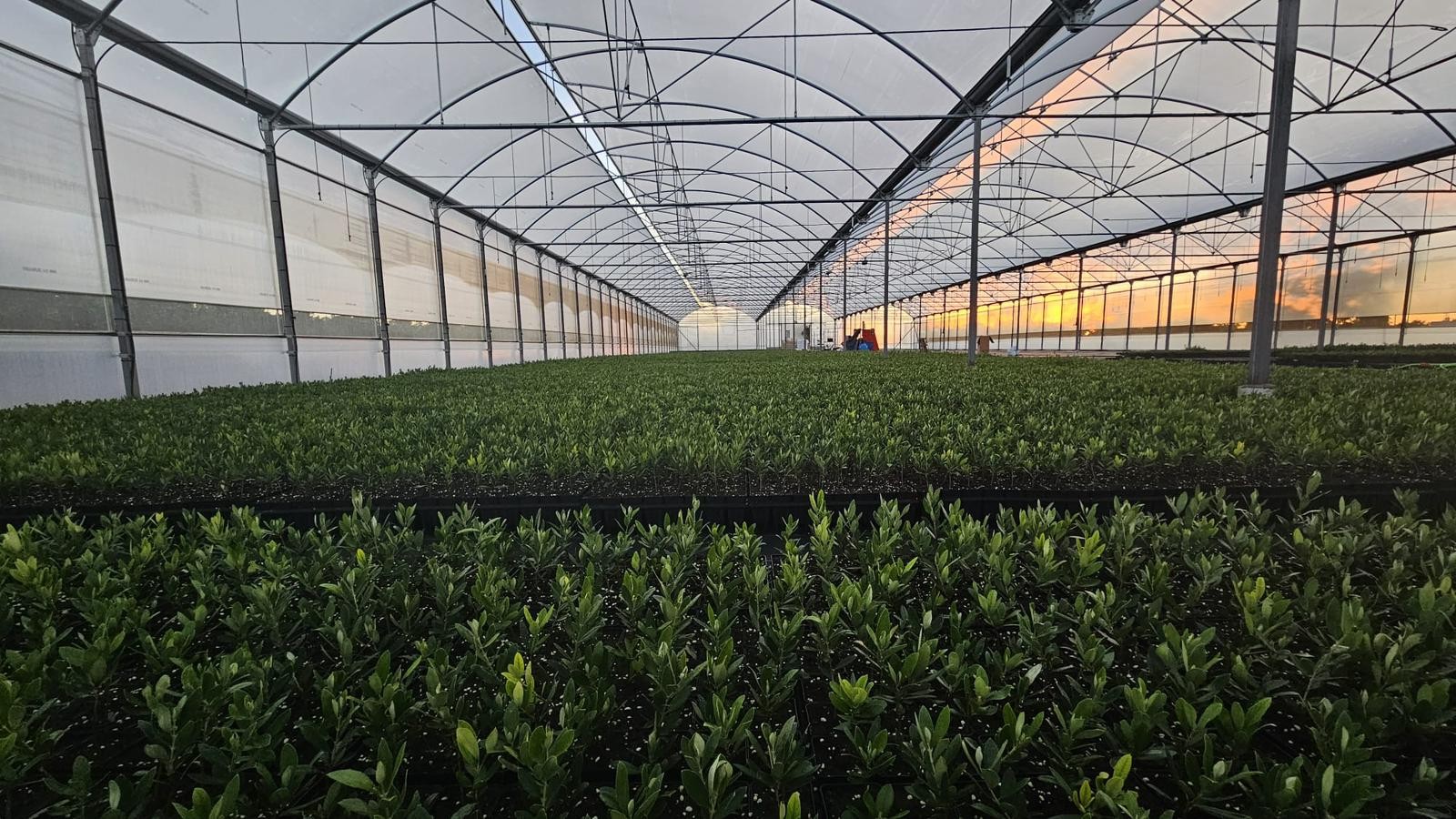 Selling olive trees: a comprehensive guide to buying with guarantee and qualityRead more
The sale of olive trees has grown significantly in recent years, both for ornamental use and for agricultural...
Blog categories
Search in blog
Archived posts
Olive tree care throughout the year: watering, pruning and fertilising
The olive tree is known for being a hardy and long-lived tree, capable of adapting to adverse conditions. However, for it to grow healthy, maintain a good structure and, when applicable, provide balanced production, it is essential to apply basic care correctly and regularly. Irrigation, pruning, and fertilization are the three pillars of olive tree maintenance, and understanding how to apply them throughout the year will make a difference in its development.
In this article, we explain in detail how to care for an olive tree throughout the year, whether it is planted in the ground or in a pot.
Olive tree irrigation: how much and when to water
Although the olive tree is adapted to drought, irrigation remains important, especially during its first years of life or in very dry climates.
In general, the olive tree requires moderate and well-spaced watering. Excess water is one of its greatest enemies, as it can cause root suffocation and root diseases.
During spring, irrigation helps activate vegetative growth. At this stage, it is advisable to keep the soil slightly moist, without waterlogging.
In summer, watering should be increased, especially for young or potted olive trees. The ideal time to water is early in the morning or in the evening to avoid excessive evaporation.
In autumn, watering is gradually reduced, in line with falling temperatures.
In winter, watering is minimal or even unnecessary if there is frequent rainfall. A mature olive tree planted in the ground usually meets its water needs through rainfall.
Differences between in-ground watering and potted watering
Olive trees planted in pots require special attention. With a limited volume of soil, the substrate dries out more quickly and the roots depend entirely on the supplied watering.
In pots:
- More frequent watering
- Careful drainage control
- Avoid water accumulation in the saucer
In the ground:
- Less frequent watering
- Better water self-regulation
- Lower risk of water stress
Adapting watering to the olive tree’s environment is key to its health.
Pruning the olive tree: when and how to do it
Pruning is one of the most important aspects of olive tree care. It influences not only its appearance but also its vigor, aeration, and, in the case of productive olive trees, the harvest.
The best time to prune an olive tree is in late winter or early spring, once the risk of severe frost has passed but before active growth begins.
Pruning should always be moderate. Olive trees do not require drastic pruning, especially ornamental varieties.
Types of pruning according to olive tree use
There are different types of pruning depending on the objective:
- Training pruning: carried out on young olive trees to define their structure.
- Maintenance pruning: removes dry, crossed, or weak branches.
- Production pruning: aimed at improving yields in agricultural olive trees.
- Ornamental pruning: seeks aesthetic balance and harmonious shape.
In gardens, ornamental and maintenance pruning is usually sufficient.
Common mistakes when pruning an olive tree
Some frequent mistakes can seriously harm the tree:
- Excessive pruning
- Making very large cuts
- Pruning at inappropriate times
- Not disinfecting tools
Incorrect pruning can weaken the olive tree and make it more vulnerable to diseases.
Olive tree fertilization: essential nutrients
Although olive trees can grow in poor soils, proper fertilization significantly improves their vigor and longevity. Fertilization provides the nutrients needed for the development of roots, leaves, and branches.
The most important nutrients for olive trees are:
- Nitrogen
- Phosphorus
- Potassium
The use of organic fertilizers is especially recommended, as they improve soil structure and release nutrients gradually.
When to fertilize olive trees
The best times to fertilize are:
- Spring, to stimulate growth
- Autumn, to strengthen the tree before winter
Avoid fertilizing in mid-summer or winter, as the tree does not efficiently absorb nutrients.
Fertilizing in pots versus fertilizing in the ground
In pots, fertilization must be more regular, as nutrients are depleted more quickly.
In the ground, fertilization can be more spaced out, especially for mature olive trees.
It is always preferable to apply small amounts of fertilizer rather than occasional excesses.
Prevention of pests and diseases
A well-cared-for olive tree is more resistant to pests and diseases. Regularly checking leaves and branches helps detect problems early.
Some common pests are:
- Olive fly
- Scale insects
- Peacock spot
Preventive use of appropriate treatments and good maintenance significantly reduce the risk.
Signs of a healthy olive tree
A well-maintained olive tree shows:
- Green, glossy leaves
- Balanced growth
- Firm trunk
- No spots or deformities
These signs indicate that watering, pruning, and fertilization are correct.
Advantages of proper maintenance
Properly caring for an olive tree offers multiple benefits:
- Greater longevity
- Better appearance
- Lower risk of disease
- Better adaptation to the environment
A well-maintained olive tree can live for hundreds of years and become a true natural heritage.
Discover our selection of olive trees and care products and enjoy a healthy, long-lasting tree.
Posted in:
News
Related posts
-
Selling olive trees: a comprehensive guide to buying with guarantee and quality
The sale of olive trees has grown significantly in recent years, both for ornamental use and for agricultural...Read more
-
Types of olive trees: best-selling varieties and their characteristics
The olive tree is one of the most emblematic trees of the Mediterranean landscape and one of the most sought-after...Read more
-
How to plant an olive tree step by step and ensure its growth
Planting an olive tree is a simple process, but doing it correctly from the outset is essential to ensure its...Read more
-
Production olive trees: the foundation of a profitable agricultural plantation
Production olive trees are the cornerstone of any olive farm. The profitability of an olive grove depends largely on...Read more
Leave a comment