
Production olive trees are the cornerstone of any olive farm. The profitability of an olive grove depends largely on...
Latest posts
-
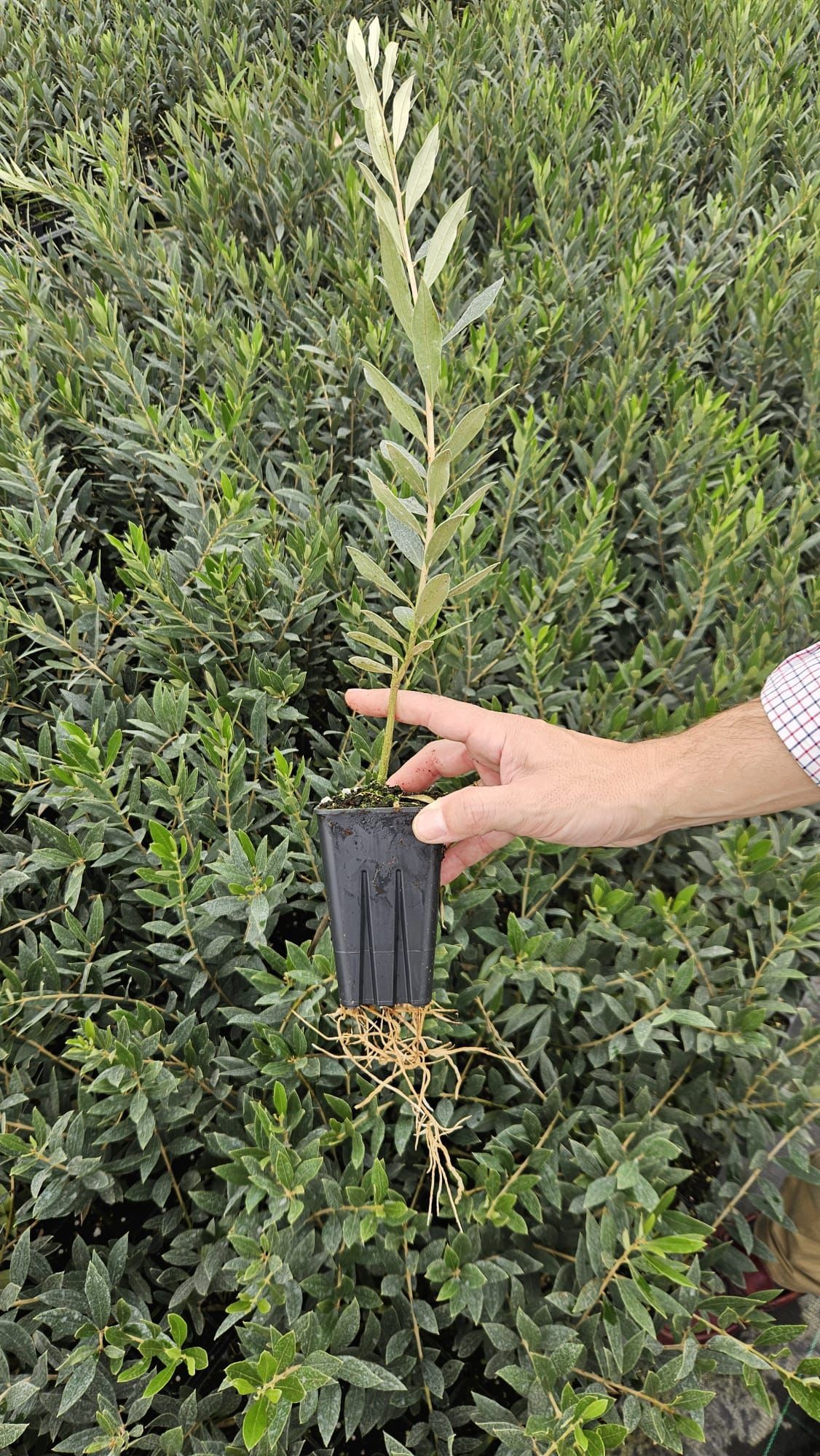 Production olive trees: the foundation of a profitable agricultural plantationRead more
 -
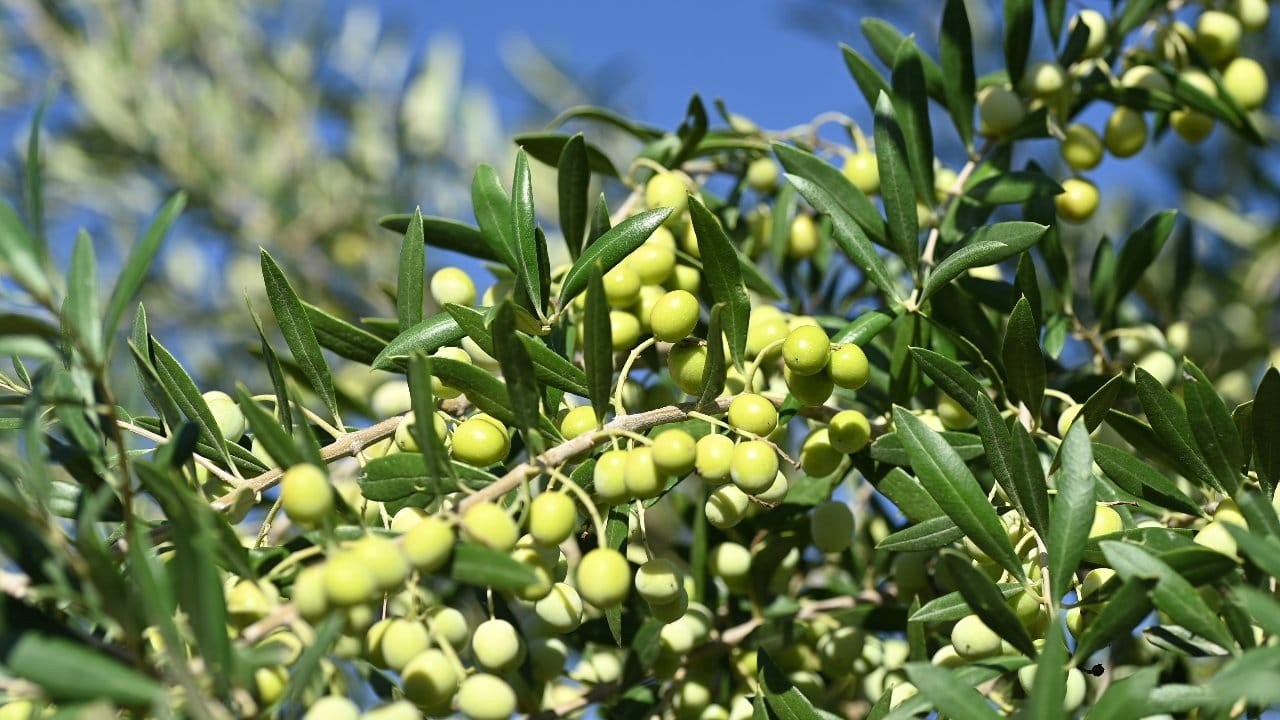 Olive tree care throughout the year: watering, pruning and fertilisingRead more
The olive tree is known for being a hardy and long-lived tree, capable of adapting to adverse conditions.
-
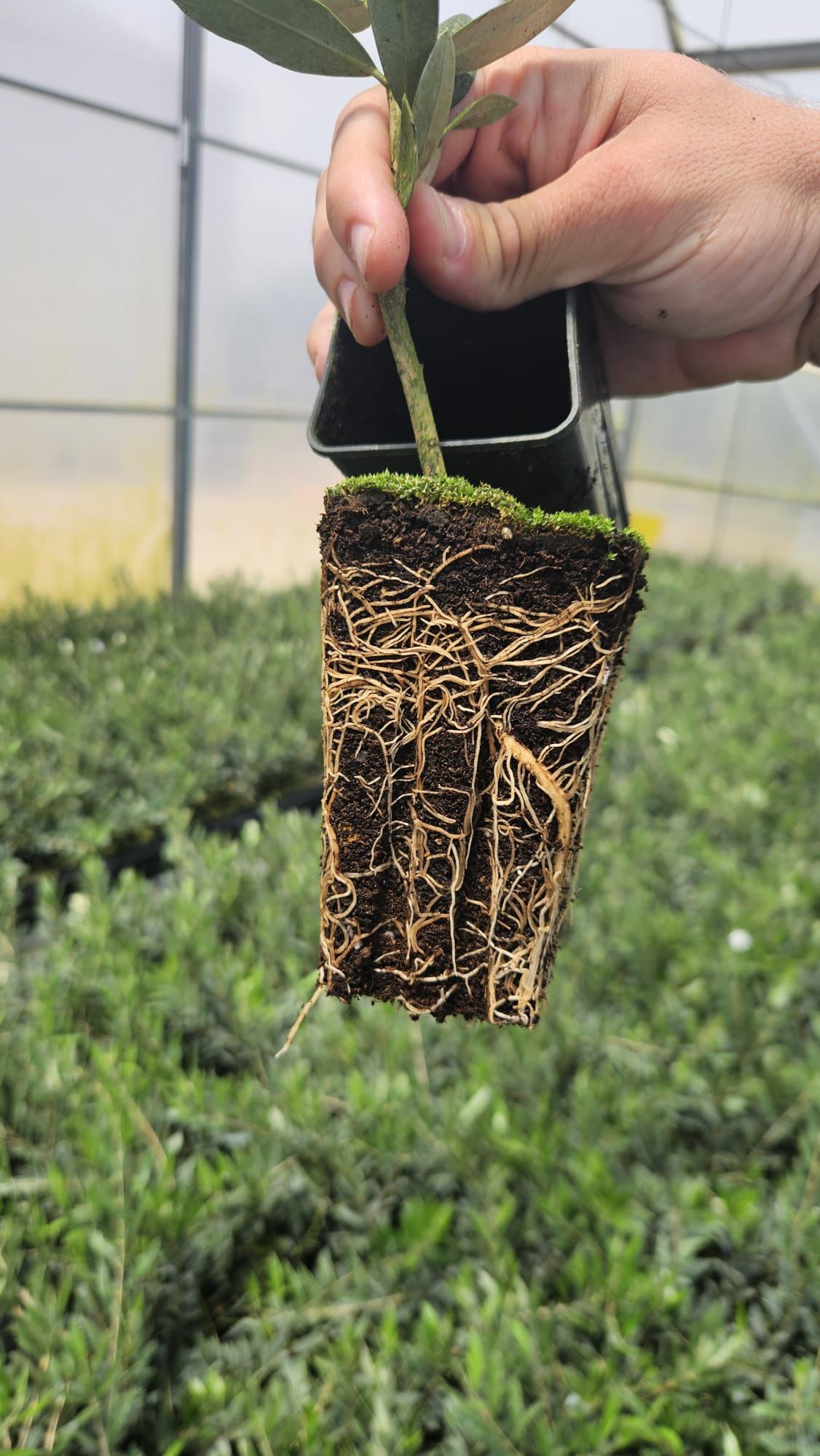 How to plant an olive tree step by step and ensure its growthRead more
Planting an olive tree is a simple process, but doing it correctly from the outset is essential to ensure its...
-
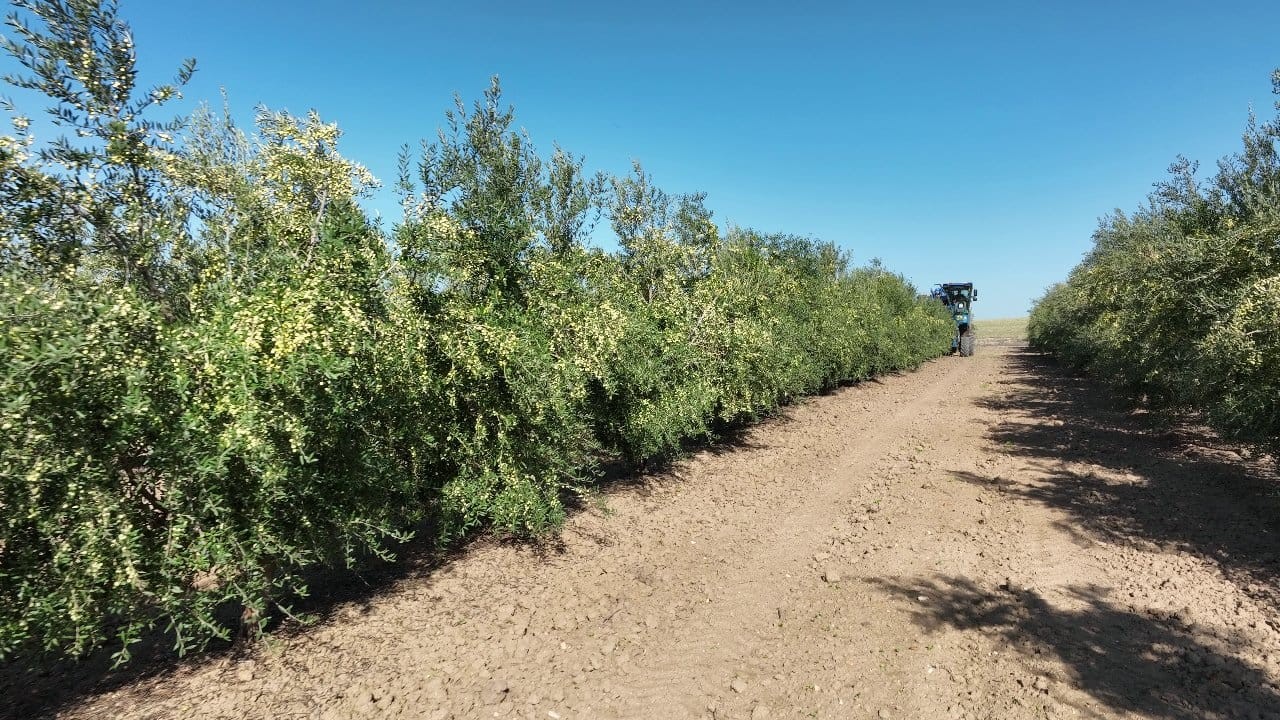 Types of olive trees: best-selling varieties and their characteristicsRead more
The olive tree is one of the most emblematic trees of the Mediterranean landscape and one of the most sought-after...
-
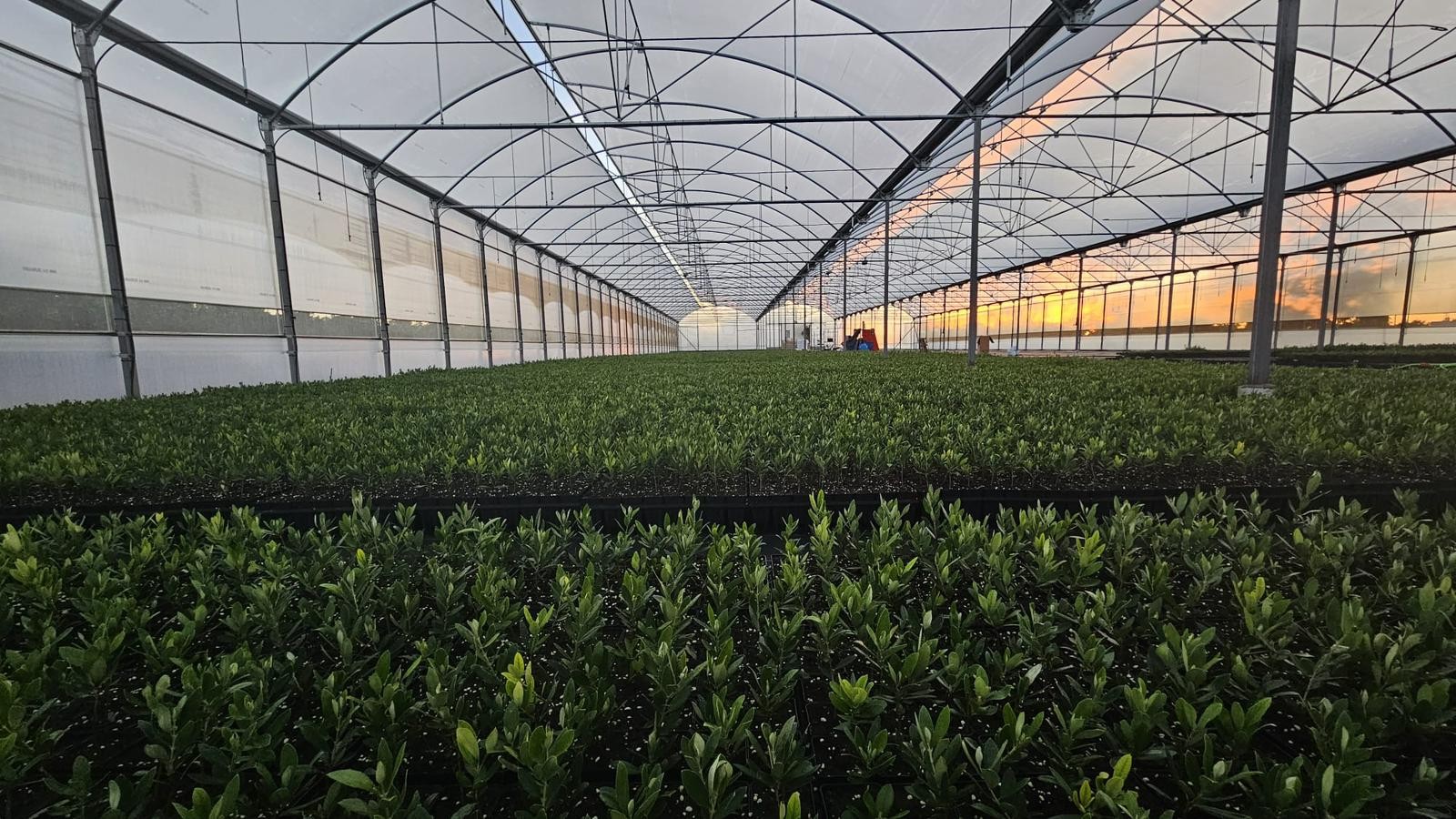 Selling olive trees: a comprehensive guide to buying with guarantee and qualityRead more
The sale of olive trees has grown significantly in recent years, both for ornamental use and for agricultural...
Blog categories
Search in blog
Archived posts
How to plant an olive tree step by step and ensure its growth
Planting an olive tree is a simple process, but doing it correctly from the very beginning is essential to ensure its adaptation, growth, and longevity. Although the olive tree is a hardy species, poor planting can seriously affect its development for years. In this guide, we explain how to plant an olive tree step by step, whether in a garden, field, or pot, to ensure it grows strong and healthy from day one.
Choosing the right time to plant an olive tree
One of the most important factors for successful planting is the time of year. Olive trees can be planted at different times, but some periods are more favorable than others.
The best time to plant an olive tree is in autumn and spring, when temperatures are mild and the tree can develop roots without thermal stress. During these seasons, the soil retains some moisture, which encourages rooting.
Avoid planting in mid-summer, especially in very hot areas, as excessive heat and lack of water can hinder the tree’s adaptation. In winter, although olive trees tolerate cold, frost can affect newly planted specimens.
Selecting the ideal location for an olive tree
Olive trees need direct sunlight for most of the day to develop properly. Before planting, make sure to choose a location that receives at least six hours of sunlight daily.
It is also essential to consider:
- Sufficient space for canopy growth
- Distance from walls, buildings, or pipes
- Good natural ventilation
The soil must have good drainage, as olive trees do not tolerate prolonged waterlogging. If the soil is clay-based or heavy, drainage should be improved before planting.
Preparing the soil before planting
Proper soil preparation makes a significant difference in olive tree development. The planting hole should be wide and deep, at least twice the size of the root ball.
Before placing the tree:
- Loosen the soil to aerate it
- Remove stones and organic debris
- Mix the soil with a suitable substrate if necessary
It is not recommended to add fertilizer directly to the bottom of the hole, as it may damage young roots. Fertilization should be done weeks later, once the olive tree has adapted.
How to plant an olive tree step by step
Once the soil is prepared, follow these steps to plant the olive tree correctly:
- Place the olive tree in the center of the hole, making sure it is upright.
- The tree collar should be level with the ground, never buried too deeply.
- Fill the hole with the previously prepared soil, without compacting it too much.
- Lightly press the surface to eliminate air pockets.
- Water thoroughly to settle the soil and promote contact with the roots.
This first watering is key to successful planting.
Planting an olive tree in a pot: special considerations
Olive trees can also be planted in pots, an increasingly popular option for terraces, patios, and large balconies. In this case, choosing the right container is essential.
The pot should be:
- Large and deep
- With drainage holes
- Made of durable material
Use a substrate specifically for trees or mix topsoil with sand to improve drainage. Watering should be more frequent than in the ground, but always avoid waterlogging.
Initial care after planting
The first weeks after planting are crucial for the olive tree’s adaptation. During this period, the tree requires special attention.
Watering should be regular but moderate, keeping the soil slightly moist, never waterlogged. As the olive tree adapts, watering can be gradually reduced.
If the area is windy, it is advisable to install a stake to prevent the trunk from leaning or being damaged while the roots become established.
Common mistakes when planting an olive tree
Some common mistakes can compromise the tree’s development:
- Planting too deeply
- Overwatering
- Choosing shaded areas
- Not respecting growth space
Avoiding these mistakes ensures better adaptation and balanced growth.
When and how to fertilize after planting
Fertilization should be carried out once the olive tree has passed the initial adaptation phase, usually after a few weeks.
Recommended practices include:
- Organic fertilizers or those specifically for olive trees
- Application in spring or autumn
- Avoiding excessive fertilization
Proper fertilization strengthens the roots and promotes healthy growth.
Signs that the olive tree is adapting well
A well-planted olive tree shows clear signs of adaptation:
- Green, firm leaves
- New shoots
- Stable trunk
If the tree loses leaves excessively or shows yellowing, it is advisable to review watering and drainage.
Advantages of buying olive trees ready to plant
Buying olive trees from specialized nurseries offers multiple advantages:
- Healthy, well-rooted trees
- Professional advice
- Greater adaptation success
In addition, they usually come prepared for immediate transplanting.
Buy olive trees ready to plant and ensure healthy growth from day one.
Posted in:
News
Related posts
-
Selling olive trees: a comprehensive guide to buying with guarantee and quality
The sale of olive trees has grown significantly in recent years, both for ornamental use and for agricultural...Read more
-
Types of olive trees: best-selling varieties and their characteristics
The olive tree is one of the most emblematic trees of the Mediterranean landscape and one of the most sought-after...Read more
-
Olive tree care throughout the year: watering, pruning and fertilising
The olive tree is known for being a hardy and long-lived tree, capable of adapting to adverse conditions.Read more
-
Production olive trees: the foundation of a profitable agricultural plantation
Production olive trees are the cornerstone of any olive farm. The profitability of an olive grove depends largely on...Read more
Leave a comment